
6 Innovative Technologies That Will Shape Tomorrow

Updated: Nov 13, 2023

The field of engineering is on the precipice of a monumental shift, driven by remarkable technological advancements and innovative solutions. As we venture into the future, it is crucial to comprehend the evolving landscape of engineering and the transformative technologies that will shape tomorrow. This article delves into five groundbreaking technologies that are poised to revolutionise the engineering industry. From the game-changing potential of artificial intelligence and machine learning to the interconnected world of the Internet of Things (IoT), we will explore how robotics, 3D printing, renewable energy, and biotechnology are transforming the way engineers design, manufacture, and create solutions. Join us on this insightful journey as we navigate the future of engineering and its limitless possibilities.
Introduction: The Changing Landscape of Engineering
Understanding the Evolution of Engineering
Remember when engineering involved drawing blueprints with actual pencils and rulers? Yeah, me neither. Engineering has come a long way, my friends. From the days of hand-drawn plans to the era of computer-aided design (CAD), the field of engineering has witnessed a remarkable evolution. But hold on to your hard hats, because the future of engineering is about to blow your mind.
The Impact of Technological Advancements
Technological advancements have most of time played an essential role in shaping the world of engineering. And let me tell you, the impact is far more impressive than a bridge made of Legos. From the advent of electricity to the rise of computers, each new innovation has revolutionised the way engineers work. And it's not slowing down anytime soon. So, buckle up, because we're about to dive into five innovative technologies that will shape the future of engineering.
Artificial Intelligence and Machine Learning: Revolutionising Engineering Processes
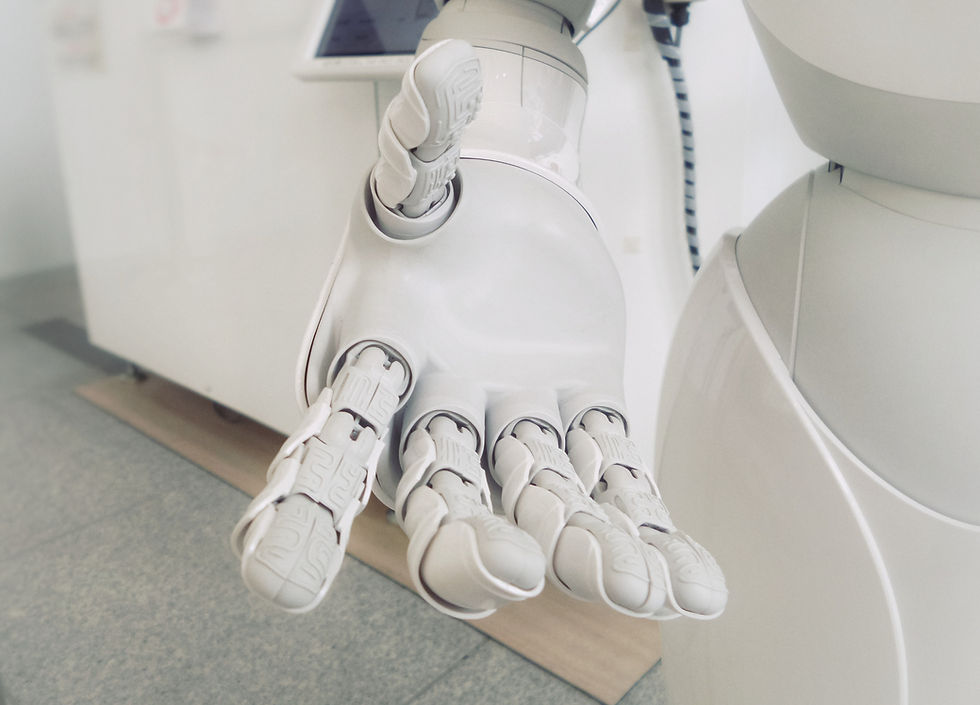
Exploring the Role of AI in Engineering
Artificial Intelligence (AI) is not just some sci-fi concept anymore. It's infiltrating the engineering world with the subtlety of a bulldozer. AI is more than just robots that can talk (although that would be pretty cool). It's all about using smart algorithms and data analysis to solve complex problems. From optimising energy consumption in buildings to predicting structural failures in bridges, AI is taking engineering to a whole new level.
Applications of Machine Learning in Engineering Design
Machine Learning (ML) is like having a personal assistant who can actually do stuff. With ML, computers can learn from data and make decisions without explicit programming. In the world of engineering design, this means that algorithms can analyse vast amounts of information to come up with innovative solutions. Whether it's designing more efficient engines or creating sustainable materials, ML is the secret sauce that engineers need for success.
Internet of Things (IoT): Connecting the Physical and Digital Worlds
Overview of IoT in Engineering
You know how your fridge can now order milk for you? That's thanks to the Internet of Things (IoT). In engineering, IoT is like a giant web that connects physical devices and sensors to the digital realm. It's all about gathering data, analysing it, and using that information to make our lives easier. From monitoring the structural health of bridges to optimising traffic flow in cities, IoT is bringing a whole new level of smartness to engineering.
IoT Applications for Smart Infrastructure and Cities
Imagine a city where streetlights turn on and off based on the number of pedestrians. Sounds like magic, right? Well, it's actually IoT in action. Smart infrastructure and cities are all about using IoT to create more efficient and sustainable urban environments. From managing water and energy resources to improving transportation systems, IoT is making cities smarter than ever before. Who said technology can't save the world?
Robotics and Automation: Enhancing Efficiency and Precision in Engineering
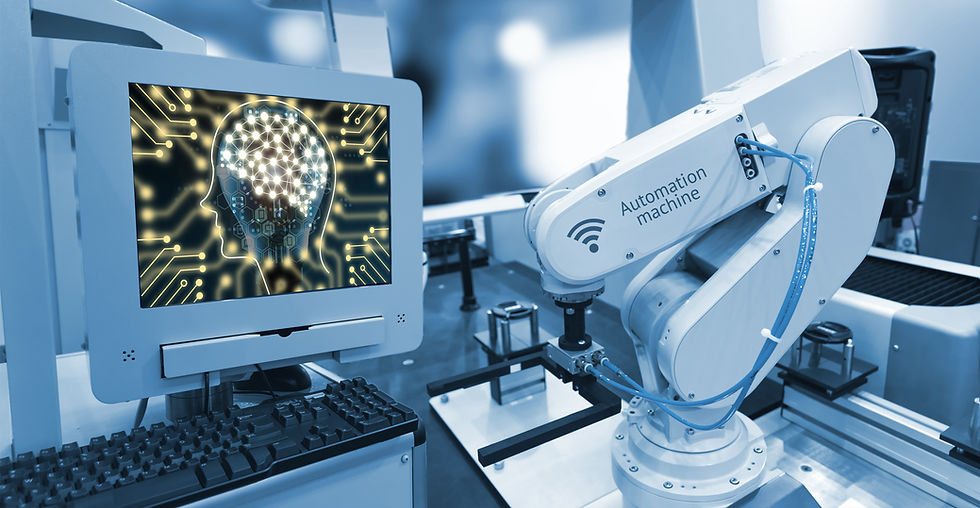
The Role of Robotics in Industrial Automation
Robots are no longer just a character from a sci-fi movie. They have infiltrated the world of engineering, and they're here to stay. In industrial automation, robots are the superstar employees that work tirelessly without complaining about coffee breaks. They can perform repetitive tasks with speed and precision, freeing up human engineers to focus on more complex and creative work. So don't worry, robots aren't stealing your jobs (yet).
Robotics Advancements in Healthcare and Biomedical Engineering
Robots in healthcare? This isn't a plotline from a futuristic TV show. In fact, robots are becoming increasingly important in healthcare and biomedical engineering. They can perform delicate surgeries with precision that even the steadiest human hands can't match. With advancements in robotics, healthcare providers are able to improve patient outcomes and push the boundaries of medical science. So, the next time you need surgery, you might have a robot to thank for it.
And there you have it, folks. The future of engineering is bold, bright, and filled with technological wonders. So, get ready to witness AI-powered superheroes, cities that are smarter than Sherlock Holmes, and robots that will fix your broken heart (metaphorically, of course). Engineering has never been more fascinating, and it's only going to get better from here. Let's embrace the future and build a world that would make even Leonardo da Vinci proud.
3D Printing: Transforming Manufacturing and Design

The Rise of Additive Manufacturing Technologies
Move aside, traditional manufacturing methods, because 3D printing is here to revolutionise the game. Also known as additive manufacturing, this technology builds objects layer by layer, using materials such as plastic, metal, or even food. It's like building a cake, one delicious layer at a time.
Gone are the days of long production times and expensive tooling. With 3D printing, complex geometries and intricate designs can be brought to life with ease. It offers endless possibilities in various industries, from aerospace to fashion, and even healthcare.
Implications of 3D Printing in Engineering Prototyping
Say goodbye to those painstakingly long prototyping processes. 3D printing has significantly shortened the time and reduced the costs associated with creating prototypes. Engineers can now design and produce multiple iterations of a product in a fraction of the time it used to take.
This not only accelerates the development cycle but also allows for more efficient testing and refining of designs. The ability to quickly iterate and make improvements based on real-world feedback is a game-changer for engineers.
Renewable Energy Technologies: Shifting towards Sustainable Engineering Solutions
Overview of Renewable Energy Sources
The world is facing an energy crisis, and engineers are at the forefront of finding sustainable solutions. Renewable energy sources, such as solar, hydro, wind and geothermal power, are gaining momentum as we shift away from fossil fuels.
Harnessing these sources not only reduces carbon emissions but also ensures a cleaner and more sustainable future. Engineers are continuously innovating in this field to improve the efficiency and scalability of renewable energy technologies.
Innovative Approaches in Renewable Energy Engineering
Engineers are thinking outside the box to maximise the potential of renewable energy. From designing more efficient solar panels and wind turbines to developing advanced energy storage systems, they are pushing the boundaries of what is possible.
One exciting innovation is the concept of smart grids, where renewable energy sources are seamlessly integrated into the existing power infrastructure. This allows for better management of energy distribution, making the grid more resilient and efficient.
Biotechnology and Genetic Engineering: Advancements in Healthcare and Beyond

Applications of Biotechnology in Medical Engineering
Advancements in biotechnology and genetic engineering are transforming the healthcare industry. Engineers are playing a vital role in developing new medical devices, such as implants and prosthetics, that are more reliable, durable, and tailored to individual needs.
Additionally, genetic engineering is revolutionising the field of medicine by allowing for targeted treatments and therapies. Engineers are working alongside scientists to develop cutting-edge technologies that could potentially eradicate diseases and improve the quality of life for millions.
Genetic Engineering Breakthroughs and their Implications
While the possibilities are endless, genetic engineering does raise ethical and societal concerns. The ability to manipulate genes and potentially create "designer babies" opens up a Pandora's box of ethical dilemmas. As engineers, it is crucial to balance innovation with responsibility and ensure that these advancements are used for the greater good.
The Future of Engineering: Opportunities and Challenges
As we look towards the future, it's clear that engineers have a crucial role to play in shaping tomorrow's world. The rapid advancements in technologies like 3D printing, renewable energy, biotechnology, and genetic engineering present immense opportunities for innovation and progress.
However, with great power comes great responsibility. Engineers must navigate the challenges of sustainability, ethics, and societal impact to ensure that these technologies are harnessed for the greater good. By embracing these advancements and keeping a keen eye on the bigger picture, engineers can lead us towards a brighter and more sustainable future.
Conclusion: Embracing the Technological Advancements in Engineering
As we conclude this exploration of the innovative technologies shaping tomorrow's engineering landscape, it is evident that the future holds immense promise and potential. By embracing artificial intelligence, IoT, robotics, 3D printing, renewable energy, and biotechnology, engineers can unlock new realms of possibilities and advancements. However, with these opportunities come challenges, such as ethical considerations, regulatory frameworks, and the need for continuous adaptation and learning. It is crucial for engineers to stay informed, agile, and proactive in harnessing the power of these technologies while addressing the concerns that accompany them. By doing so, we can shape a future of engineering that is sustainable, efficient, and driven by cutting-edge solutions. Let us embrace these technological advancements with enthusiasm, curiosity, and a commitment to building a better tomorrow through engineering excellence.

FAQ
1. How will artificial intelligence and machine learning revolutionise engineering processes?
Artificial intelligence (AI) and machine learning (ML) have the potential to transform engineering processes by automating tasks, enhancing efficiency, and improving decision-making. AI algorithms can analyse vast amounts of data, enabling engineers to gain valuable insights, optimise designs, and predict performance. ML algorithms can learn from past experiences and make intelligent decisions, leading to more accurate simulations, improved problem-solving, and faster innovation.
2. What are the key advantages of 3D printing in engineering?
3D printing, also known as additive manufacturing, offers numerous advantages in engineering. It enables the production of complex and customised designs with reduced material waste. 3D printing allows for rapid prototyping, facilitating faster iteration and design optimisation. Additionally, it provides greater design freedom, allowing engineers to create intricate geometries and lightweight structures that may not be feasible with traditional manufacturing methods.
3. How can renewable energy technologies contribute to sustainable engineering solutions?
Renewable energy technologies, such as solar power, wind energy, and hydropower, offer sustainable alternatives to fossil fuel-based energy sources. Integrating these technologies into engineering solutions can reduce greenhouse gas emissions, mitigate climate change, and promote environmental sustainability. Renewable energy can power smart cities, green buildings, and electric transportation, fostering a cleaner and greener future for generations to come.
4. What ethical considerations are associated with the advancements in biotechnology and genetic engineering?
While biotechnology and genetic engineering hold immense potential in healthcare and beyond, they also raise important ethical considerations. Questions surrounding the privacy and security of genetic information, potential misuse of genetic data, and the social implications of altering the human genome require careful examination. Ethical frameworks, regulations, and transparency are crucial to ensure the responsible and ethical application of these technologies for the benefit of society.


Comments