
The Impact of Artificial Intelligence on the Field of Engineering

Updated: Oct 22, 2023

Introduction to Artificial Intelligence in Engineering
Artificial Intelligence (AI) has emerged as a transformative technology with far-reaching implications across various industries, and the field of engineering is no exception. With its ability to mimic human intelligence and automate complex tasks, AI holds immense potential to revolutionise the way engineers design, analyse, and optimise systems. From enhancing automation and efficiency to improving decision-making and predictive analysis, the impact of AI in engineering is profound. This article delves into the key ways in which AI is transforming the field of engineering, exploring advancements in design and simulation processes, revolutionising manufacturing and construction, addressing ethical considerations, and shedding light on future prospects and potential applications.
Revolutionising Manufacturing and Construction
AI-driven Robotics and Automation in Manufacturing
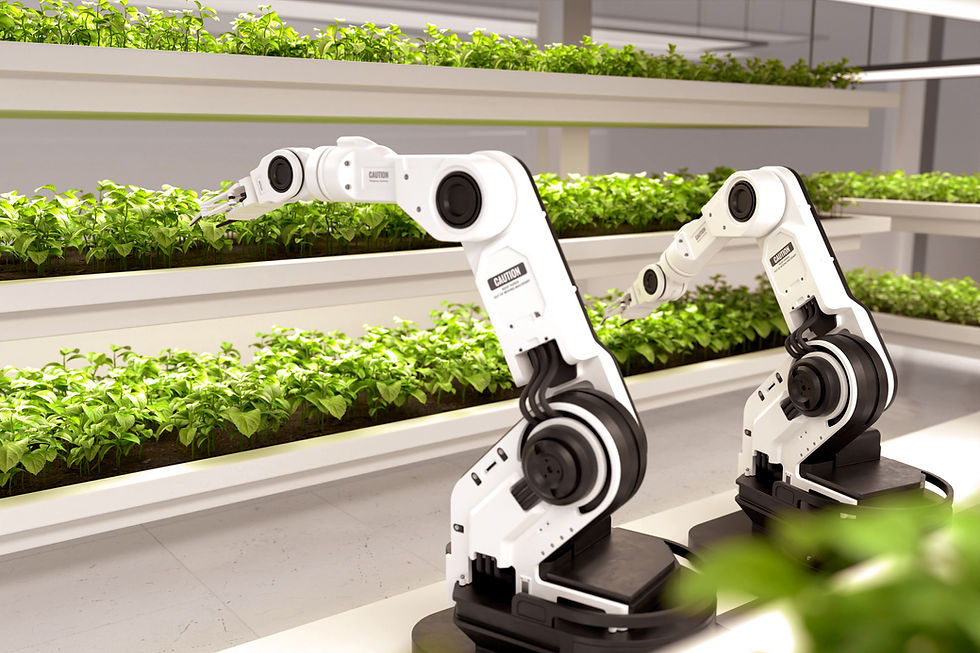
In the world of manufacturing, artificial intelligence (AI) is revolutionising the way things are done. AI-driven robotics and automation have become key players, making manufacturing processes faster, more efficient, and incredibly precise.
Gone are the days of manual labor dominating production lines. With AI, robots are taking the stage, performing tasks with unprecedented accuracy and speed. These intelligent machines can handle complex operations that would otherwise be time-consuming and prone to human error.
One of the biggest advantages of AI-driven robotics is the ability to adapt and learn. These robots can analyse data in real-time, optimising their performance and making adjustments as needed. They can even detect anomalies and anticipate potential issues, minimising downtime and maximising productivity.
With AI in manufacturing, engineers can focus on higher-level tasks, such as designing and improving products, while leaving repetitive and mundane tasks to the machines. This shift allows for increased innovation and creativity, leading to overall better products and improved customer satisfaction.
AI-assisted Construction and Structural Analysis
The impact of AI in the construction industry is equally noteworthy. AI-assisted construction and structural analysis are transforming the way buildings and infrastructure are designed, built, and maintained.
Through AI, engineers can leverage data analytics to optimise construction processes. AI algorithms can analyse vast amounts of data, such as soil composition, weather conditions, and structural requirements, to provide valuable insights and recommendations. This helps engineers make informed decisions and ensures that construction projects are executed with precision and efficiency.
Structural analysis, a crucial aspect of engineering, is also benefiting from AI. AI-powered software can process complex structural data and identify potential weaknesses or flaws. This not only saves time but also enhances safety by detecting issues that might have been overlooked by human analysis alone.
By harnessing the power of AI, construction projects can be completed more quickly, cost-effectively, and with increased accuracy. As a result, buildings and infrastructure can be engineered to withstand various challenges and meet the highest safety standards.
Challenges and Ethical Considerations

Ethical Implications of AI in Engineering
While the advancements brought by AI in the engineering field are impressive, it is essential to address the ethical implications that arise with this technology. One concern is the potential displacement of human workers. As AI and automation become more prevalent, there is a fear that jobs may be lost, leading to economic and social consequences.
Additionally, transparency and accountability become vital when AI algorithms make decisions that impact people's lives. Engineers must ensure that these algorithms are free from biases and don't perpetuate discrimination or unfair treatment. It is crucial to develop ethical guidelines and frameworks to govern the use of AI in engineering, promoting fairness, inclusivity, and responsible innovation.
Addressing Bias and Safety Concerns in AI Systems
Another challenge lies in addressing biases and safety concerns in AI systems. AI algorithms are trained using vast amounts of data, and if this data contains biases, the AI system may also exhibit biased behavior. Engineers must be diligent in identifying and rectifying these biases to ensure fairness and equity in AI-driven decisions.
Additionally, safety concerns arise when AI systems are deployed in critical fields such as transportation or healthcare. Engineers must rigorously test and validate these systems to ensure they operate reliably under various conditions, minimising the risk of accidents or errors. Ethical and safety considerations must be at the forefront when developing AI solutions to mitigate potential risks.
Future Prospects and Potential Applications
Emerging Trends and Technologies in AI Engineering
The future of AI in engineering holds exciting possibilities. One emerging trend is the integration of AI with the Internet of Things (IoT). This combination allows for seamless communication and collaboration between AI systems and interconnected devices, optimising efficiency and expanding the capabilities of engineering solutions.
Another noteworthy development is the rise of explainable AI. As AI becomes more complex, engineers are striving to create AI systems that can provide transparent explanations for their decisions. This would enhance trust in AI technologies and enable easier identification and rectification of any errors or biases.
Potential Applications and Impact in Various Engineering Fields
The potential applications and impact of AI in various engineering fields are vast. In civil engineering, AI can optimise traffic flow, reduce energy consumption in buildings, or improve urban planning. In aerospace engineering, AI can enhance aircraft design, improve maintenance processes, and predict potential failures.
AI also plays a vital role in biomedical engineering, assisting in medical image analysis, diagnosing diseases, and even developing personalised treatment plans. In electrical engineering, AI can optimise power distribution networks, enhance energy efficiency, and enable smarter grid systems.
The possibilities are virtually endless. AI has the power to transform engineering as we know it, making processes more efficient, improving safety standards, and driving innovation across all fields. As engineers continue to explore and embrace AI, we can expect remarkable advancements that will shape the future of engineering. In conclusion, the integration of artificial intelligence into the field of engineering has ushered in a new era of possibilities and advancements. From streamlining processes to enabling more accurate simulations and decision-making, AI has proven to be a game-changer. However, as with any transformative technology, there are challenges to be addressed, such as ethical considerations and potential biases. Nevertheless, the future of AI in engineering looks promising, with emerging trends and technologies paving the way for even more innovative applications. As engineers continue to harness the power of AI, they will undoubtedly shape a future where intelligent systems assist and augment their work, ultimately leading to greater efficiency, sustainability, and innovation in the field of engineering.
FAQ
1. How is artificial intelligence transforming engineering processes?
Artificial intelligence is transforming engineering processes by automating tasks, enhancing efficiency, and improving decision-making. AI systems can assist in design optimisation, simulate complex scenarios with higher accuracy, and help engineers make data-driven decisions for better outcomes.
2. What are the potential benefits of using AI in manufacturing and construction?
The integration of AI in manufacturing and construction brings numerous benefits. AI-driven robotics and automation technologies improve production efficiency and quality control in manufacturing. In construction, AI-assisted tools aid in structural analysis, project management, and risk assessment, leading to enhanced safety, productivity, and cost-effectiveness.
3. What are the ethical considerations surrounding the use of AI in engineering?
The use of AI in engineering raises ethical considerations such as privacy, bias, and the potential impact on job displacement. Ensuring data privacy and addressing biases in AI algorithms are critical. Additionally, ethical frameworks need to be developed to ensure responsible and transparent use of AI technologies in engineering practices.
4. What are some future prospects and potential applications of AI in engineering?
The future prospects of AI in engineering are vast. Emerging technologies such as machine learning, computer vision, and natural language processing hold potential in optimising engineering design, predictive maintenance, and autonomous systems. AI also offers opportunities for sustainable engineering practices, smart cities, and personalised engineering solutions for individuals and communities.


Comments